














روح علامتك التجارية: دليل عملي لاختيار العطر المناسب للشموع
هناك مقولة قديمة في صناعة الشموع تقول: “قد ينسى الناس ما هو مكتوب على الملصق، لكنهم لن ينسوا أبدًا الرائحة التي تنبعث عند إشعال الشمعة”. غالبًا ما يكون اختيار العطر المناسب هو العامل الأول الذي يحدد ما إذا كانت الشمعة ستصبح من أكثر المنتجات مبيعًا. وبصفتنا موردًا متمرسًا في مجال التصنيع حسب الطلب (OEM)، فإننا نساعد مئات العلامات التجارية كل عام في اتخاذ قرارات بشأن العطور. في هذه المقالة، نقدم منهجية عملية ومفصلة خطوة بخطوة لاختيار العطور.
الخطوة 1: فهم فئات العطور و“خصائصها”
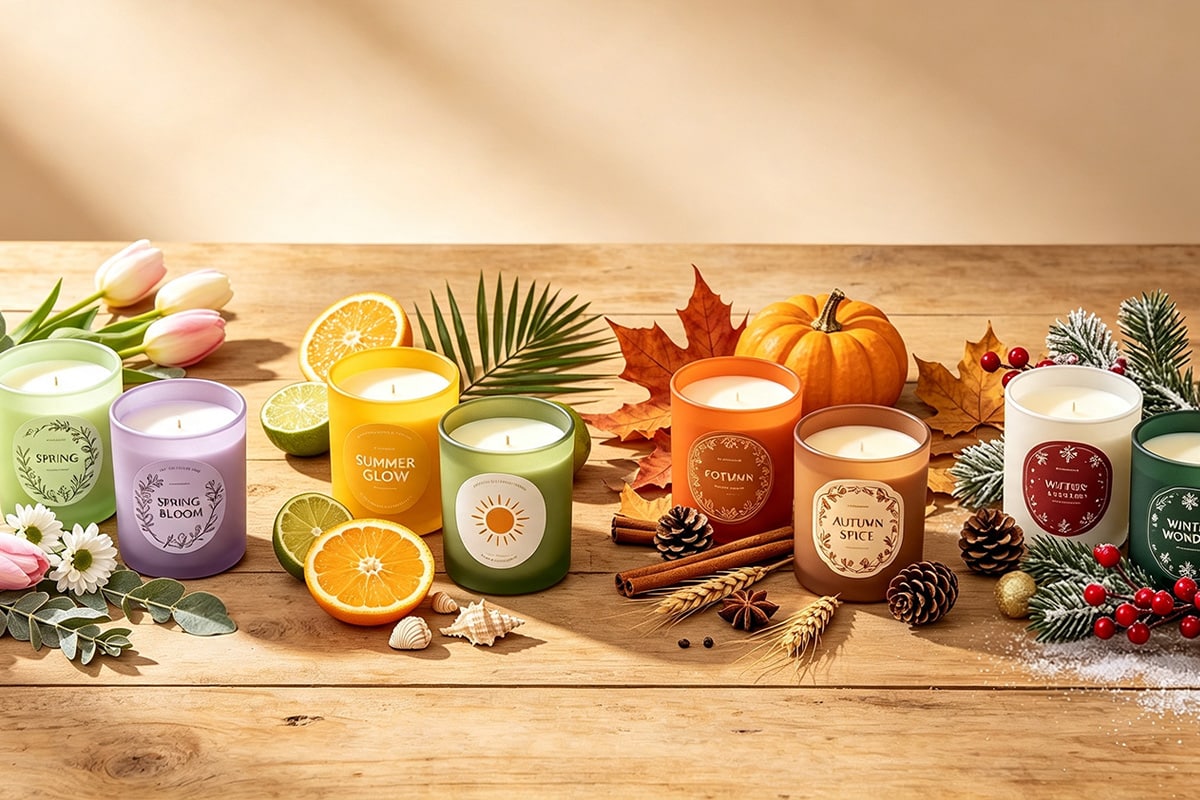
ينتمي كل عطر إلى إحدى العائلات العطرية العديدة، حيث تحمل كل عائلة إشارات عاطفية مختلفة وتستهدف تفضيلات جمهور معين. ابدأ باختيار العائلة العطرية الرئيسية بناءً على التوجه التسويقي لعلامتك التجارية.
| عائلة العطور | الروائح النموذجية | نبرة العلامة التجارية / حالات الاستخدام | الجمهور المستهدف |
|---|---|---|---|
| زهري | الورد، الياسمين، الإيلنغ-إيلنغ، مسك الروم | أنثوي، رومانسي، مريح، غرفة نوم | منتجات العناية الشخصية النسائية، الفنادق البوتيكية |
| وودي | خشب الأرز، خشب الصندل، الباتشولي، خشب الغاياك | للجنسين، متوازن، فكري، تأملي | عطور المنزل، منتجات السبا، مناسبة للجنسين |
| الحمضيات / المنعش | الليمون، البرغموت، رائحة المحيط، العشب | نظيفة، مفعمة بالحيوية، المطبخ/الحمام | العائلات الشابة، المكاتب، غرف التجميل |
| فواكهي / شهي | الفانيليا، الكراميل، التوت الأسود، جوز الهند | هدايا العيد اللطيفة والممتعة | هدايا عيد الميلاد/عيد الشكر، مجموعات الشباب |
| شرقي / حار | العنبر، القرفة، الزعفران، الجلد | فاخرة، غريبة، في وقت متأخر من الليل | هدايا فاخرة، إصدارات شتوية محدودة |
أداة عملية: مصفوفة تحديد موقع العطر ضمن العلامة التجارية
استخدم السعر المستهدف للبيع بالتجزئة (الاقتصادي/الشعبي مقابل الفاخر/الفاخر جدًّا) على المحور الس (X)، والعمر المستهدف للمستخدم (الشباب مقابل الكبار) على المحور الص (Y):
الشباب + السوق الجماهيري: فاكهي، حمضي، زهري أحادي (مثل: البطيخ، الخوخ، عشب الليمون)
للكبار + السوق الجماهيري: مزيج من الروائح الزهرية والخشبية الخفيفة (مثل: اللافندر + العنبر، والشاي الأبيض)
يونغ + بريميوم: نكهات شهية، نكهات عشبية فريدة (مثل الكراميل المملح، والريحان والليمون الحامض)
للبالغين + مميز: مزيج معقد من الروائح الخشبية والجلدية والدخانية (مثل: العود والورد، والجلد والروم)
الخطوة 2: استخدام “لوحة أفكار العطور” والتحليل التنافسي
لا تعتمد فقط على تفضيلاتك الشخصية. نوصي بما يلي:
إنشاء لوحة أفكار للعطور – اجمع ما بين 10 و20 صورة تعكس الأسلوب البصري لعلامتك التجارية (كلاسيكي، بسيط، بوهيمي، إلخ). ثم ادعُ ما بين 3 و5 عملاء مستهدفين محتملين للاستماع إلى قصة علامتك التجارية أثناء شم عينات العطور. اطلب منهم اختيار 2-3 روائح تتناسب بشكل أفضل مع القصة.
إجراء تقييم تنافسي للروائح – اشترِ أفضل 10 شموع مبيعًا على “أمازون” أو “إتسي” ولاحظ مكوناتها العطرية الرئيسية. اسأل نفسك: “هل عطري مختلف بشكل واضح؟” على سبيل المثال، إذا كان السوق مشبعًا برائحة «ملح البحر والمريمية»، فجرب صيغة مبتكرة مثل «ملح البحر + اليوزو + خشب الأرز».”
الخطوة 3: الاستفادة من خدمة “مستويات العطور” التي يقدمها مصنعنا
لا يدرك العديد من مالكي العلامات التجارية الجدد أن العطر الذي يحمل الاسم نفسه قد يختلف في مستويات أدائه. ونحن نقدم ثلاثة مسارات لتطوير العطور:
مكتبة الكتب الأكثر مبيعًا (جاهزة للاستلام) – قمنا بتجميع قائمة بأفضل 50 عطرًا استنادًا إلى بيانات المبيعات في الاتحاد الأوروبي والولايات المتحدة على مدى ثلاث سنوات (مثل “خشب الصندل والفانيليا”، و“العنبر وزهر البرتقال”). وقد أثبتت هذه العطور نجاحها في السوق وتتميز بانخفاض مخاطرها؛ ولا يستغرق تقييم العينات سوى يوم واحد فقط.
إعادة تركيب العطور / تحسينها – ترسل إلينا شمعة من أحد المنافسين. نستخدم تقنية GC-MS لتحليل مكوناتها الرئيسية، ثم نصنع نسخة مشابهة لها بنسبة تزيد عن 85% دون انتهاك حقوق الملكية الفكرية. بعد ذلك، يمكننا تعزيز نوتة عطرية معينة من النوتات العليا أو القاعدية حسب رغبتك.
تصميم حصري – صُنع من الصفر. يعمل صانع العطور لدينا معك في “ورشة عطور” (عبر الإنترنت أو وجهًا لوجه)، حيث يقدم لك ما بين 30 إلى 50 مادة كيميائية عطرية منفردة لتقوم بمزجها كما لو كانت كوكتيلًا. ويكون العطر الناتج حصريًا لك لمدة تتراوح بين 6 و12 شهرًا. وهو الخيار الأمثل للعلامات التجارية التي تسعى إلى التميز على المدى الطويل.
الخطوة 4: لا تتجاهل أبدًا الفرق بين الرمي البارد والرمي الساخن – وقم بإجراء اختبار مصغر
قد يختلف أثر العطر تمامًا عند وضعه على ورقة اختبار مقارنةً برائحته عند احتراق الشمعة. يجب عليك اختبار:
الروائح الباردة – شدة الرائحة عندما تكون الشمعة غير مشتعلة (من فتحة الوعاء).
الرمية الساخنة – انتشار الرائحة بعد مرور ساعة على بدء احتراق الشمعة.
تتميز بعض الروائح الزهرية والتوابل بانتشار ضعيف في الحالة الباردة، لكنها تنفجر برائحتها عند إشعالها — والعكس صحيح. ونحن نرفق مع كل عينة بطاقة تقييم لانتشار الرائحة في الحالة الباردة والساخنة.
وأخيرًا، نوصي بشدة بـ اختبار السوق المصغرة: قم بإعداد 20 إلى 50 عينة صغيرة (أو شموع صغيرة) من العطور الثلاثة التي وصلت إلى المرحلة النهائية، ووزعها على المستخدمين الأوائل عبر وسائل التواصل الاجتماعي أو موقعك الإلكتروني. وفي غضون أسبوع واحد فقط، ستحصل على بيانات حقيقية تُظهر أي العطور يحظى بأعلى نسبة نية لإعادة الشراء.
كيف نساعدك
لدينا أكثر من 800 عطر متوافق مع معايير IFRA تغطي جميع العائلات العطرية. تتيح لك خدمة العينات السريعة لدينا الحصول على ما يصل إلى 5 عينات مختلفة من الشموع في من 6 إلى 10 أيام (حسب التحديث الوارد في المادة 1). بالنسبة للعطور المخصصة، نقوم بتسليم أول عينة حصرية من الزيت في غضون 10 أيام عمل.
اختيار العطر ليس مقامرة — بل هو عملية اتخاذ قرار يمكن توحيد معاييرها. في مقالتنا القادمة، سنناقش كيفية تفاعل أنواع الشمع المختلفة مع العطور لتحقيق انتشار مثالي للرائحة. اشترك في مدونتنا لمتابعة السلسلة كاملة.