










Technical Deep Dive: A Head‑to‑Head Comparison of 5 Candle Waxes + Decision Matrix
You may have noticed that candle wax comes in many types – soy, paraffin, coconut, palm, beeswax – each claiming its own advantages. But as a brand owner, the core dimensions you really care about are five: cost, surface aesthetics, fragrance retention, burn cleanliness, and eco‑image. These waxes perform very differently across these dimensions.
As a factory that processes tons of wax every day, we give you a no‑filter guide to wax selection, complete with a clear decision matrix.
1. Paraffin Wax
Source: Petroleum refining by‑product
Cost: Very low (typically 60-70% of soy wax)
Aesthetics: Can achieve very smooth, vibrant colors, sharp edges – ideal for shaped candles
Fragrance retention: Excellent. Paraffin’s molecular structure holds high fragrance load; strong cold/hot throw
Burn cleanliness: Lower‑quality paraffin can produce slight black soot (premium refined paraffin is much cleaner)
Eco‑image: Lowest among natural waxes; some consumers avoid it
Best for: Value‑driven mass market, seasonal/holiday candles, sculpted candles
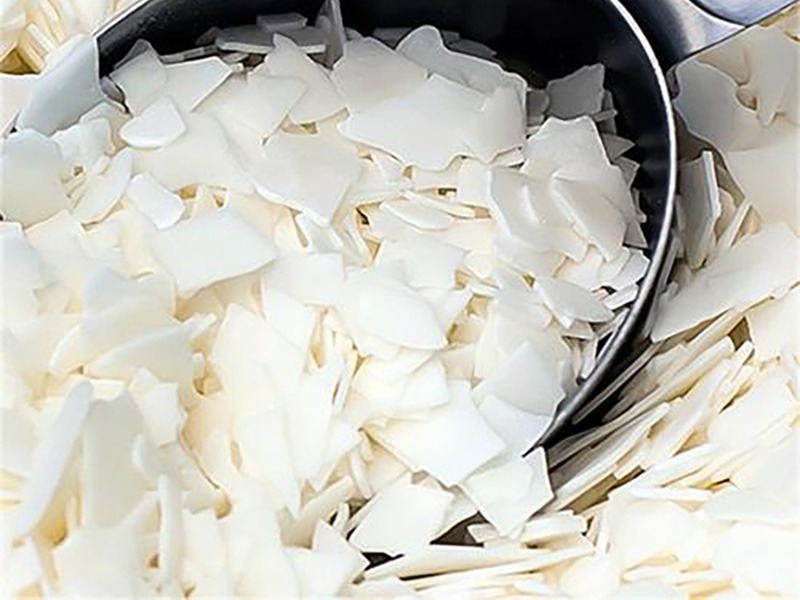
2. Soy Wax
Source: Hydrogenated soybean oil
Cost: Moderate (about 30-50% higher than paraffin)
Aesthetics: Matte, creamy, may naturally frost (bloom)
Fragrance retention: Moderate to low. Fragrance molecules bond less tightly; often requires higher load (8-10%) to match paraffin’s throw
Burn cleanliness: Good. Burns clean, low melt point, less risk of burns
Eco‑image: High. Biodegradable, renewable, loved by eco‑conscious brands
Best for: Brands that highlight natural, vegan, clean ingredients; jar candles (where frosting is less visible)
3. Coconut Wax
Source: Hydrogenated coconut oil, often blended with soy or a little paraffin
Cost: Higher (30-50% above soy)
Aesthetics: Extremely smooth, buttery, good gloss, very little frosting
Fragrance retention: Excellent. Despite being natural, coconut wax releases fragrance beautifully and burns slowly
Burn cleanliness: Outstanding. No smoke, no carbon dust, clean melt pool
Eco‑image: High. Often associated with “luxury” and “pure”
Best for: Premium gift lines, luxury candles, candles demanding perfect surface finish
4. Palm Wax
Source: Palm oil fractionates
Cost: Moderate (similar to soy)
Aesthetics: Unique crystalline effect – feathery or starburst patterns, beautiful even without dye
Fragrance retention: Good
Burn cleanliness: Good, but hardness may cause demolding difficulties
Eco‑image: Controversial (depends on sustainable sourcing; RSPO certification required for responsible use)
Best for: Pillar candles, decorative candles, candles needing special texture
5. Beeswax
Source: Honeycomb
Cost: High (3-5 times paraffin)
Aesthetics: Natural golden color, subtle honey aroma, glossy surface
Fragrance retention: Poor (natural wax has strong inherent scent that interferes unless heavily over‑scented)
Burn cleanliness: Excellent – releases negative ions, can purify air
Eco‑image: Highest, natural and sustainable (if ethically sourced)
Best for: Pure natural concept, religious/meditation candles, minimalist unscented candles
Quick Decision Matrix (by brand priority)
| If your priority is … | Recommended wax | Why |
|---|---|---|
| Lowest cost + strongest throw | Paraffin | Best value, chosen by high‑volume brands |
| Natural eco‑image + gentle brand | Soy | Most mature natural wax, widely accepted |
| Luxury texture + perfect surface | Coconut | High‑end winner, visual and tactile |
| Unique crystalline pattern | Palm | Unrepeatable crystallization effect |
| Purest image + high price point | Beeswax (or beeswax+coconut blend) | Strong story, niche premium |
Blended wax: the industry’s hidden answer
In reality, most professional factories do not use a single wax. Our best‑selling formula is 65% soy + 30% paraffin + 5% stearic acid. This retains the “soy‑based” eco‑label while improving throw and surface smoothness, and the stearic acid helps demolding. For a luxury line, we recommend 70% coconut + 30% soy, which combines smoothness and fragrance retention.
How we help you
We have 12 standard wax blends covering all price tiers. You can choose a target price range, and we will recommend the best blend. We also provide free comparison samples – the same fragrance in three different waxes – so you can test burn them side by side. Real decisions should be based on actual burning tests, not internet rumors.